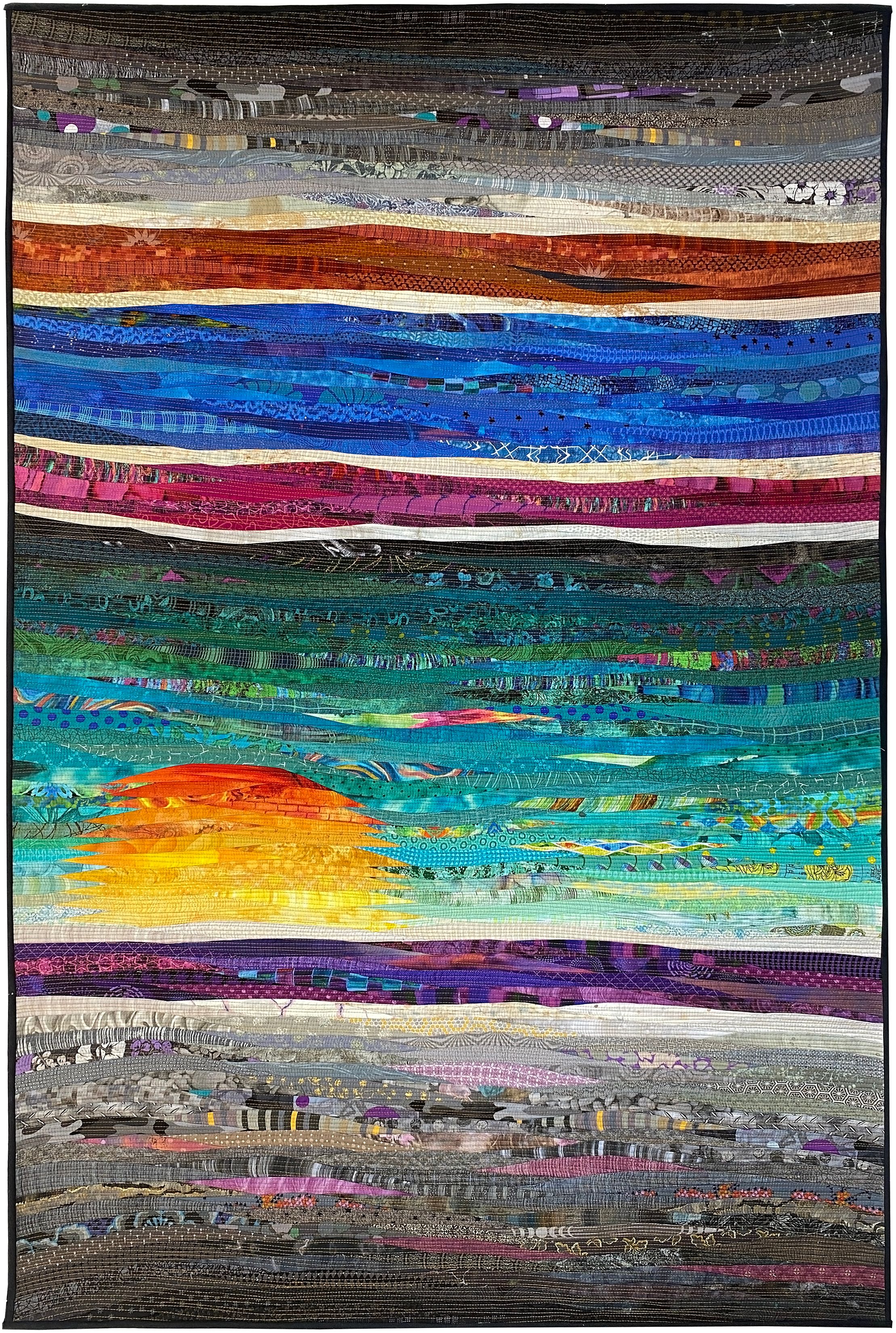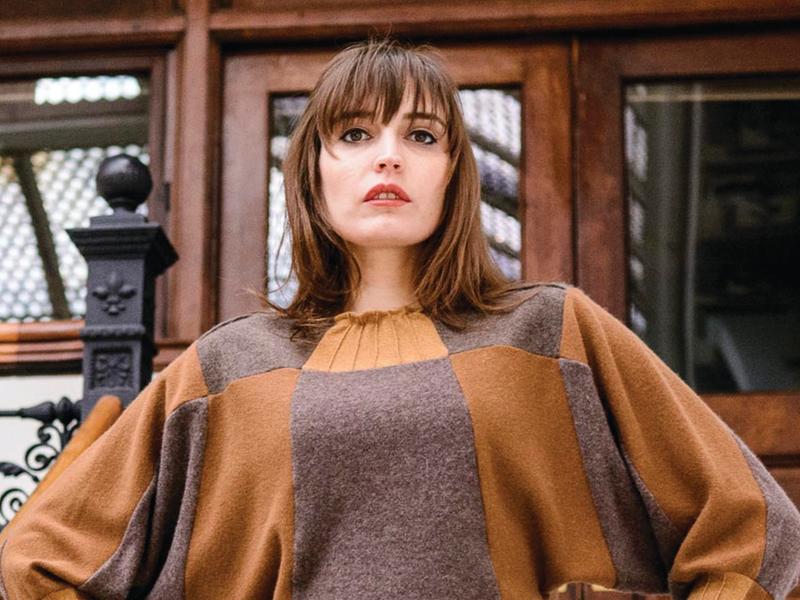
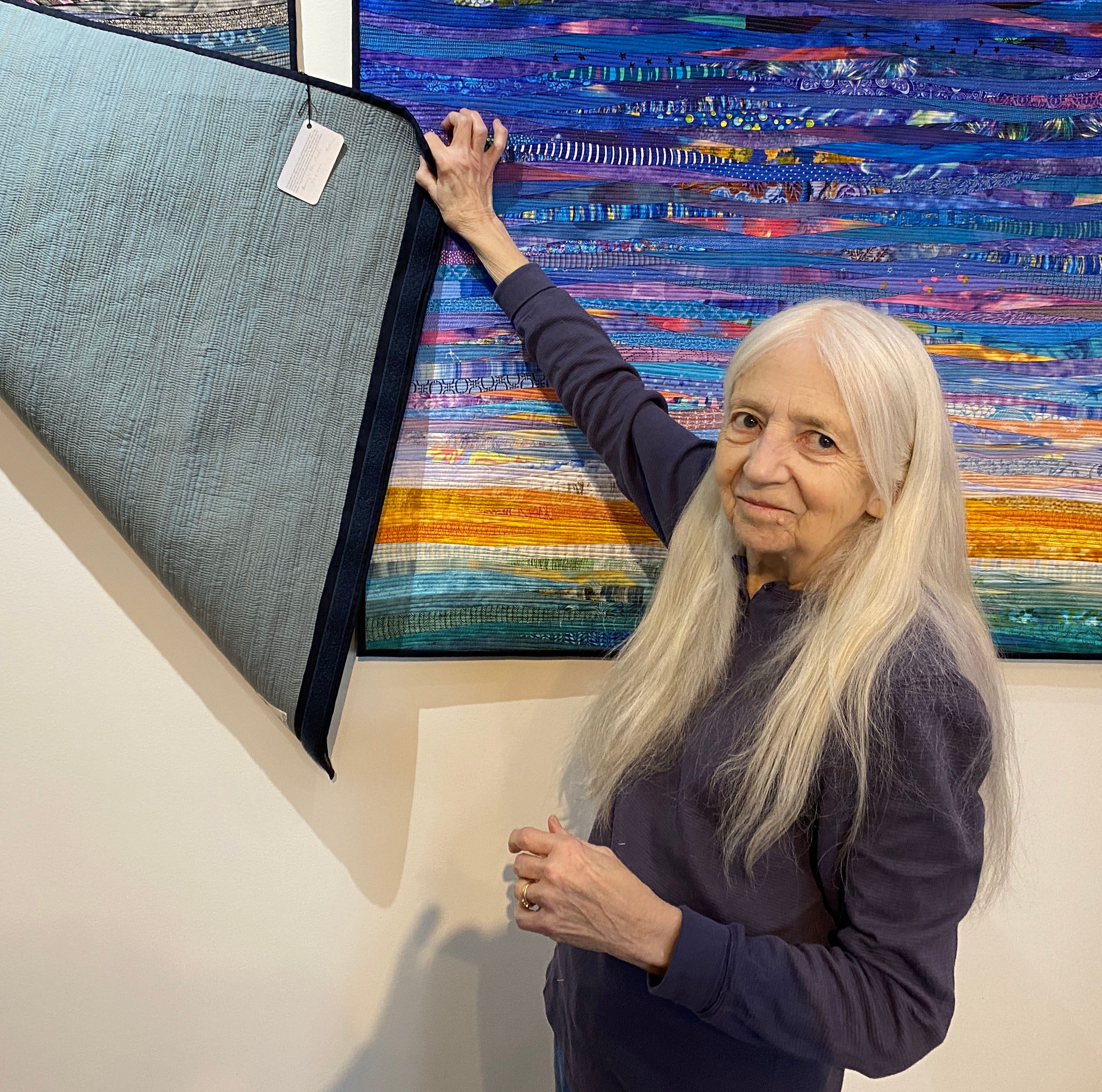
Based in her studio in Shelburne Falls, Massachusetts, decorative fiber artist Ann Brauer translates the rhythm of the natural world into striking abstract landscapes of fabric and thread. Though she has always loved to sew, her professional journey began unexpectedly. By training, Brauer is a lawyer who once ran a legal research firm. “In order to determine the pathway to winning a case, I would cut and paste the arguments on my living room floor,” she remembers, a process that proved strikingly “similar to making a quilt.” Hooked by the magic of the medium during the dawn of the art quilt movement in the early 1980s, she decided to leave the city to see if she could support herself as a full-time maker in western Massachusetts, and has successfully done so for over forty-five years.
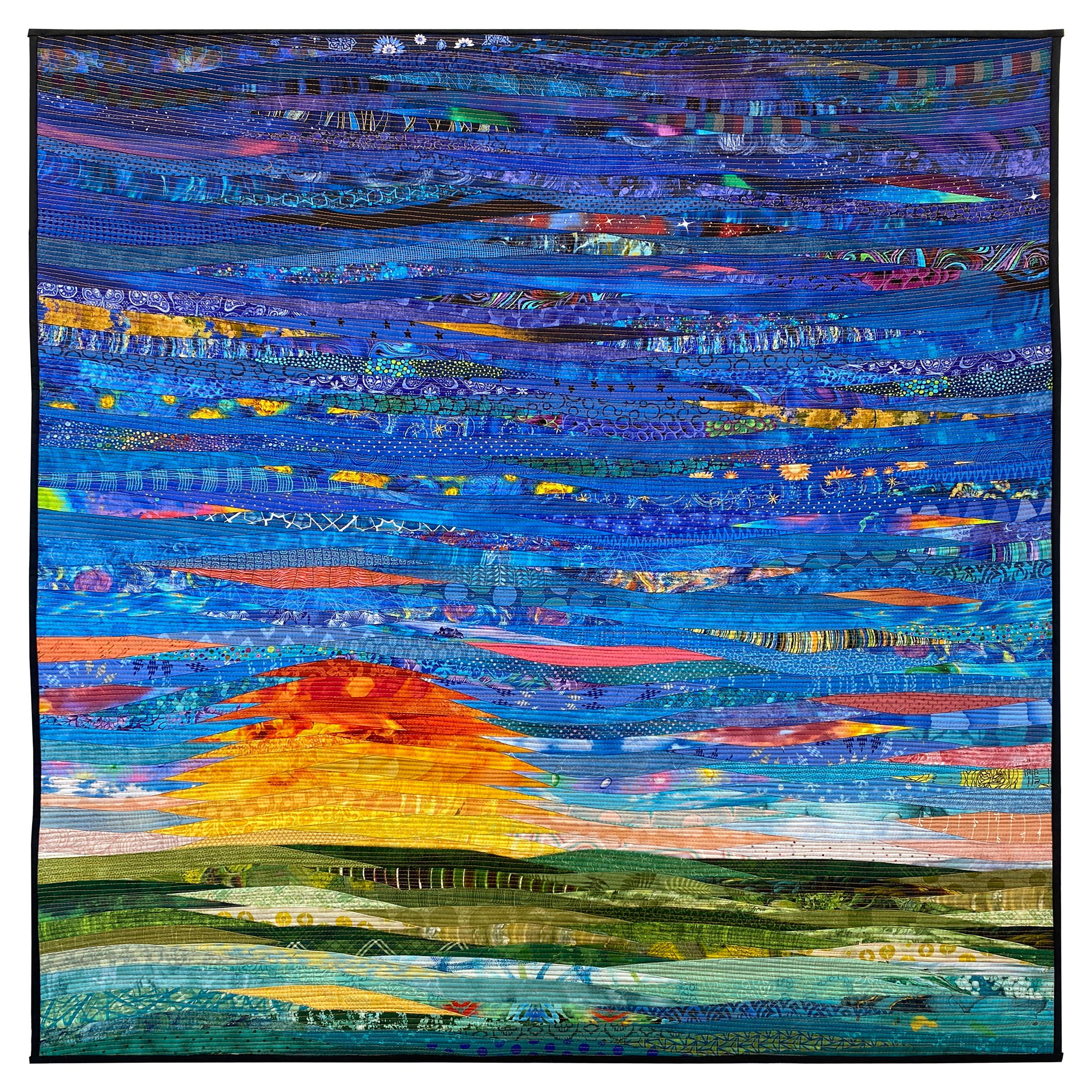
An early exhibit of African American quilts at Williams College taught Brauer that “rules were meant to be broken,” freeing her to experiment deeply with color and space. A major turning point came during Tropical Storm Irene, when she was away at a craft show in Illinois and watched devastating footage of the floodwaters literally floating her studio downstream. The loss only deepened her resolve, convincing her that she had “quilts inside me that deserved a new space.” Reestablishing her practice in a beautiful new building with inspiring views of the village, she began her current series of modern landscapes, using tiny pieces of fabric to compile decades of concepts and methods into a singular, powerful vision.
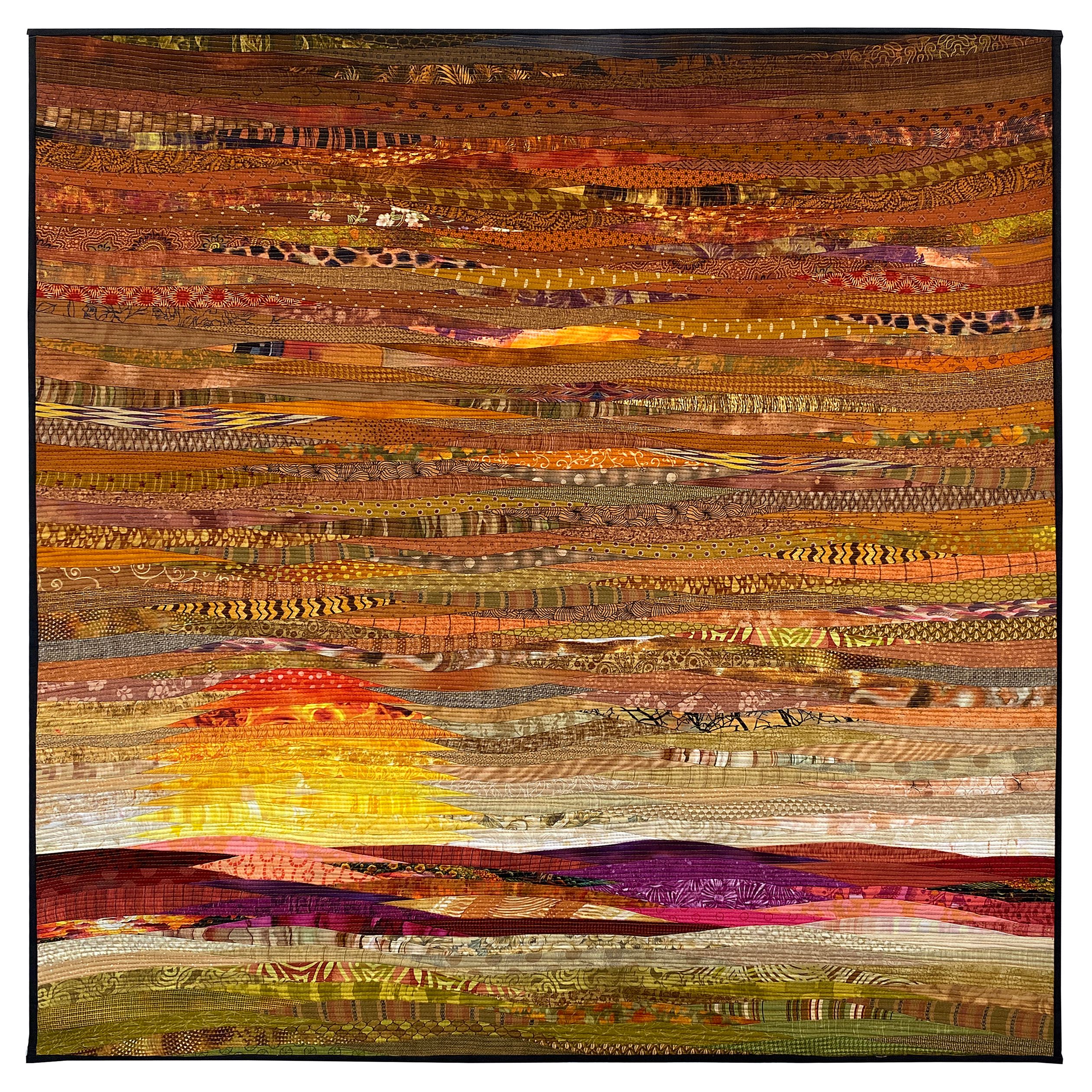
Working completely solo, Brauer’s creative process relies on two industrial sewing machines that blaze through 3,500 stitches a minute. She utilizes a heavily customized variation of the traditional “quilt-as-you-go” method to piece together abstract horizons inspired by her childhood on an Illinois farm and the changing New England seasons. Her work explores “the possibilities of dawn and the open sky,” capturing the vastness of nature through meticulously placed strips of fabric. Highly acclaimed, Brauer’s award-winning work is held in prestigious collections, including the Museum of Arts and Design in New York City and the Federal District Court House in Springfield, Massachusetts, proving that a single, radical leap can create an enduring legacy of art.